Healthy. Comfortable.
Built to perform.
A high-performance home is not a single product. It’s a system. Five principles working together each one carefully designed, detailed and tested to deliver a building that performs, visibly and measurably, for the people who live in it.
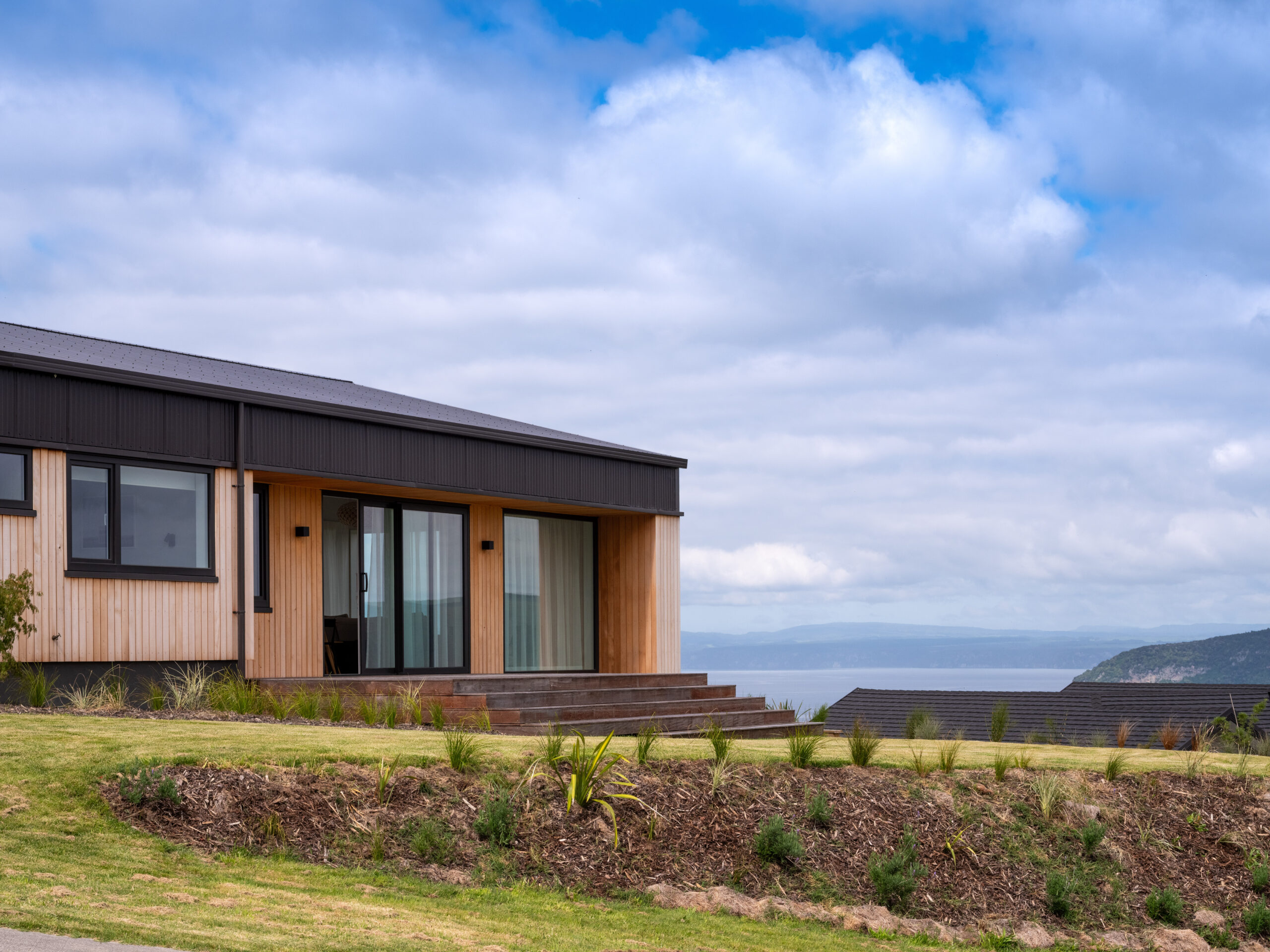
Considered Design
Every home begins with you. Orientation, solar gain and shading are resolved before a single line is drawn so the home works with its site, not against it.
High Insulation
It starts at the foundation. An insulated MAXRaft® slab, continuous wall and roof insulation, all detailed to keep your home warm in winter and cool in summer.
Airtight Enclosure
A measured Pro Clima airtight envelope means insulation can do its job. Stable temperatures, lower bills and a healthier home verified, not assumed.
High-Performance Joinery
uPVC Starke windows and doors, designed in Germany and built in NZ. Thermally broken, airtight by design, and the strongest link in your building envelope.
Ventilation with Heat Recovery
A continuous supply of fresh filtered air removes moisture, pollutants, dust and pollen while retaining heat. By reducing indoor humidity and filtering up to 95% of pollen, MHRV systems create a healthier, cleaner environment - particularly beneficial for asthma and allergy sufferers.
Questions, answered.
Everything you need to know before starting a High Performance Home from build timelines to site suitability. Can't find your answer here?
GET IN TOUCHThermal bridging occurs when heat escapes through parts of a building that conduct heat more efficiently than the surrounding insulation. Common examples include timber framing, steel components, balconies and poorly insulated junctions between walls, floors and roofs.
These “bridges” allow warmth to leave the home during winter and heat to enter during summer, reducing the overall efficiency of the building envelope.
At HP Homes, we carefully design and construct every home to minimise thermal bridging wherever practical. By creating a more continuous layer of insulation, we improve comfort, reduce condensation risk and help maintain more stable indoor temperatures throughout the year.