Lower-Carbon Home Building: What Really Makes a Difference
A home’s carbon footprint comes from two places: the energy used to run it for decades (operational carbon) and the carbon in the materials and construction (embodied carbon). For most New Zealand homes, cutting operational energy through insulation, airtightness, high-performance windows and heat-recovery ventilation is the biggest, most reliable win. Building a durable home that lasts, using timber thoughtfully and keeping the design compact and efficient then reduces embodied carbon too.
Sustainability claims are everywhere in the building industry, and they can be hard to compare. This article sets out what genuinely makes a difference, in plain terms, so you can ask the right questions of any designer or builder.
Operational carbon: the energy to run the home
Every year a house is lived in, it uses energy for heating, hot water, lighting and appliances. Over a 50 to 100 year life, that adds up. In a cold climate like Taupō’s, heating is usually the largest share. A high performance home needs a fraction of the heating of a Code-minimum house, so it saves energy, and the carbon behind it, every single year. See how high performance homes reduce energy use.
The results can be dramatic. Our Kinloch High Performance Home cost its owners around $80 in power across three years, and the Alpine home receives power credits instead of bills.
Embodied carbon: what the house is made of
Making concrete, steel, glass, insulation and other materials uses energy and releases carbon before anyone moves in. Some practical ways to reduce it:
- Keep it compact. A well-planned smaller home uses fewer materials and is easier to heat. Good design makes every square metre work harder.
- Use timber thoughtfully. Sustainably grown timber stores carbon. Read about redwood timber in high performance homes.
- Use concrete efficiently. An engineered insulated slab such as MAXRaft® is designed to use concrete where it is structurally needed, and its insulation keeps the house warm for its whole life.
- Avoid waste. Careful planning, accurate ordering and reusing offcuts reduce what goes to landfill.
Durability is the most underrated sustainability feature
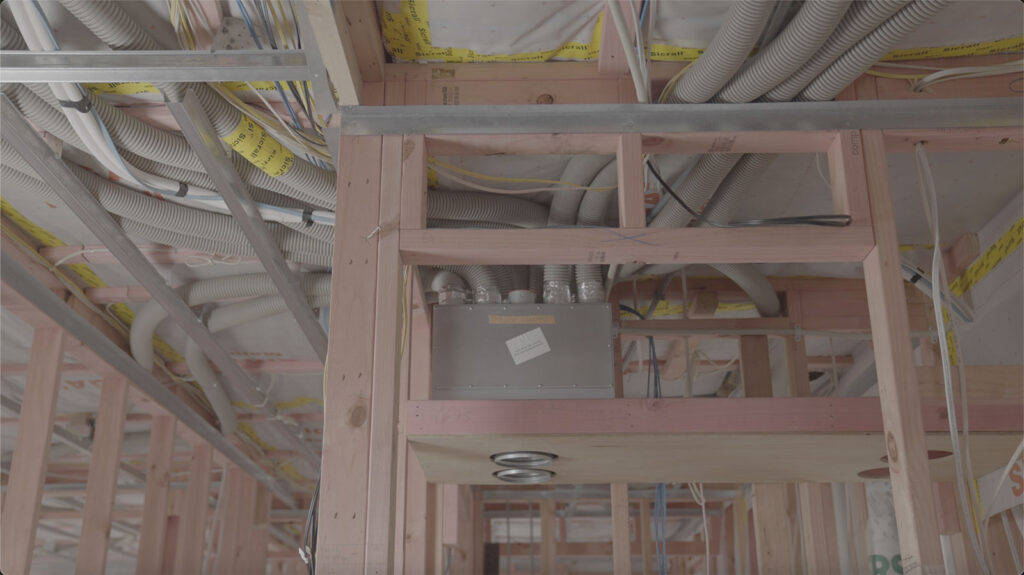
A house that lasts 100 years with only routine maintenance has a far lower footprint than one that needs major repairs after 20. In ordinary homes, moisture is the main enemy: condensation and leaks inside walls rot framing and cause mould. A high performance home controls moisture with an airtight, vapour-managed envelope and continuous ventilation, which protects the structure as well as the people. See damp and mould-free homes.
Renovation can be the lowest-carbon option
Keeping a sound existing structure and upgrading its envelope avoids the embodied carbon of building new. It does not always make sense, but it is worth assessing. Mat has decades of experience with renovations and historical restorations. See renovations and restorations.
Electrify and add renewables
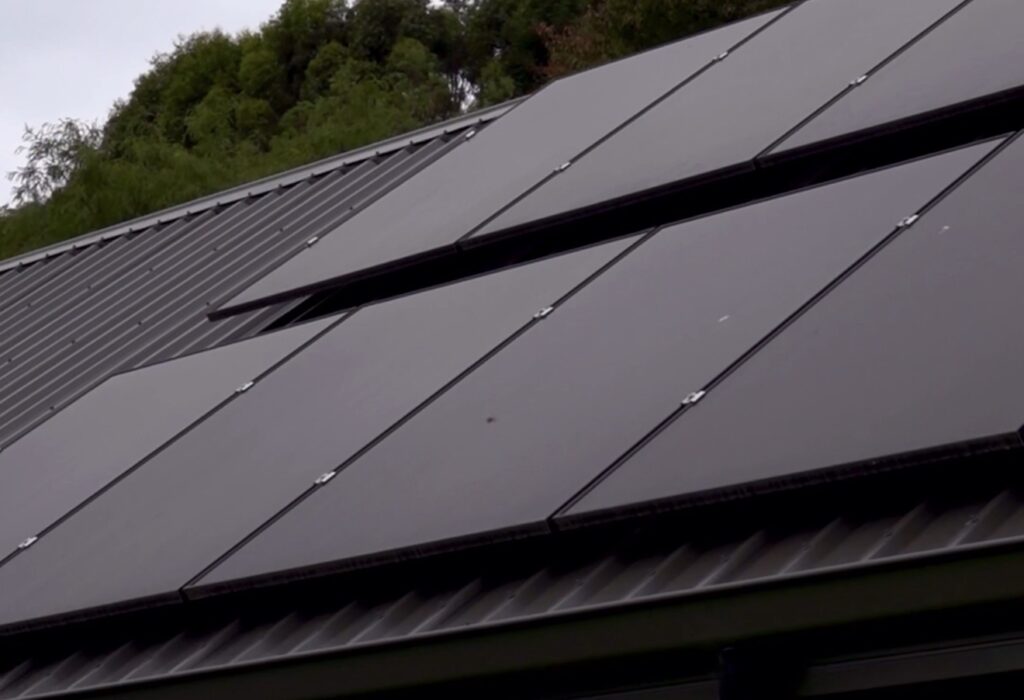
Once a home needs little energy, running it entirely on electricity is simple: a heat pump hot water cylinder, an induction cooktop and a small heat pump or heater if needed. New Zealand’s electricity is largely renewable, and solar panels can supply much of what the house uses. Read solar, heat pump hot water and EV charging.
Be wary of green add-ons
Features that look sustainable are not always the ones that matter most. A large solar array on a cold, leaky house still wastes energy. A recycled-timber feature wall does little if the walls are poorly insulated. Get the fundamentals right first: orientation, insulation, airtightness, windows and ventilation.
What to ask a builder about sustainability
- Will the home’s energy performance be modelled before consent?
- Will airtightness be tested during construction?
- How is moisture managed inside the walls and roof?
- How is waste reduced on site?
- What examples of completed, lived-in homes can you show me?
Frequently asked questions
What is the difference between operational and embodied carbon?
Operational carbon comes from the energy used to run a home. Embodied carbon comes from making and transporting the materials and building it.
Is a high performance home better for the environment?
Generally, yes. It uses far less energy every year, and its moisture control helps the structure last longer.
Is timber framing lower carbon than steel?
Sustainably grown timber generally has lower embodied carbon than steel and stores carbon while it is in the building, though the right choice depends on the design.
Does building smaller really help?
Yes. A smaller, well-designed home uses fewer materials and less energy to run, often with no loss of comfort.
Can an existing home be made more sustainable?
Often, yes, through insulation, airtightness, joinery and ventilation upgrades. An assessment shows what is practical.
Want a home that is easier on the planet and your power bill? Talk to Mat, or see our passive and sustainable builds service.
Planning to build?
Talk to Mat about your Taupō build
Book a consult to talk through your section, design ideas and budget, and how a high performance home could work for you.
Book a consultOr call Mat on 021 285 1445