Building a Warm Home on an Elevated Taupō Site: Lessons from 600 m
How to build a warm, efficient home on a cold, exposed Central Plateau site, based on HP Homes' 600 m Alpine home that earns power credits.
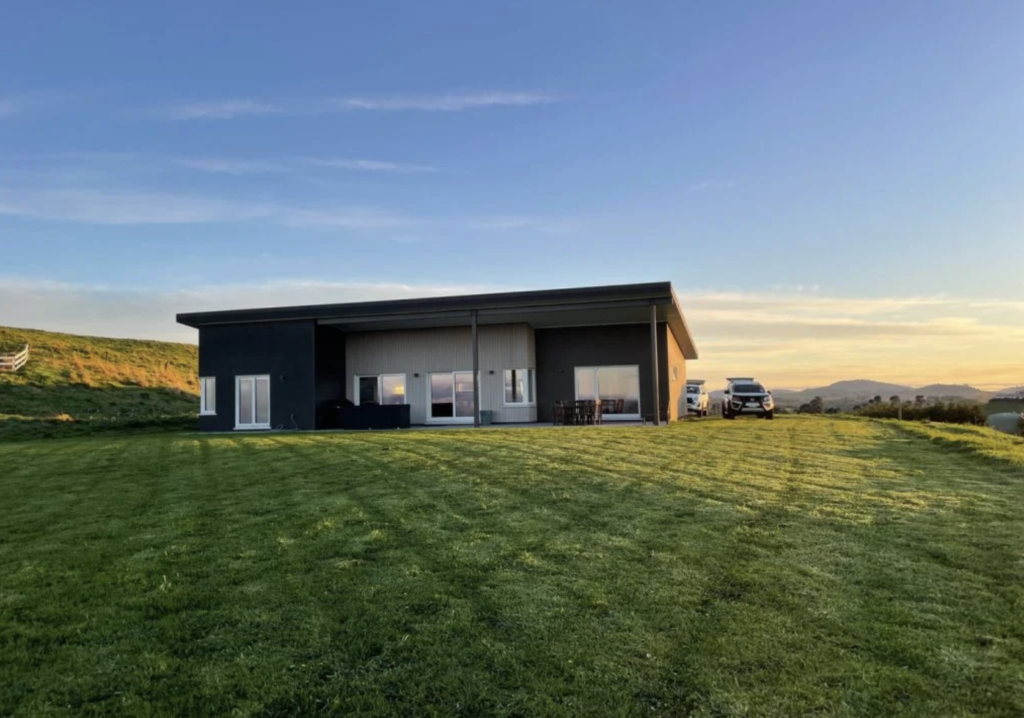
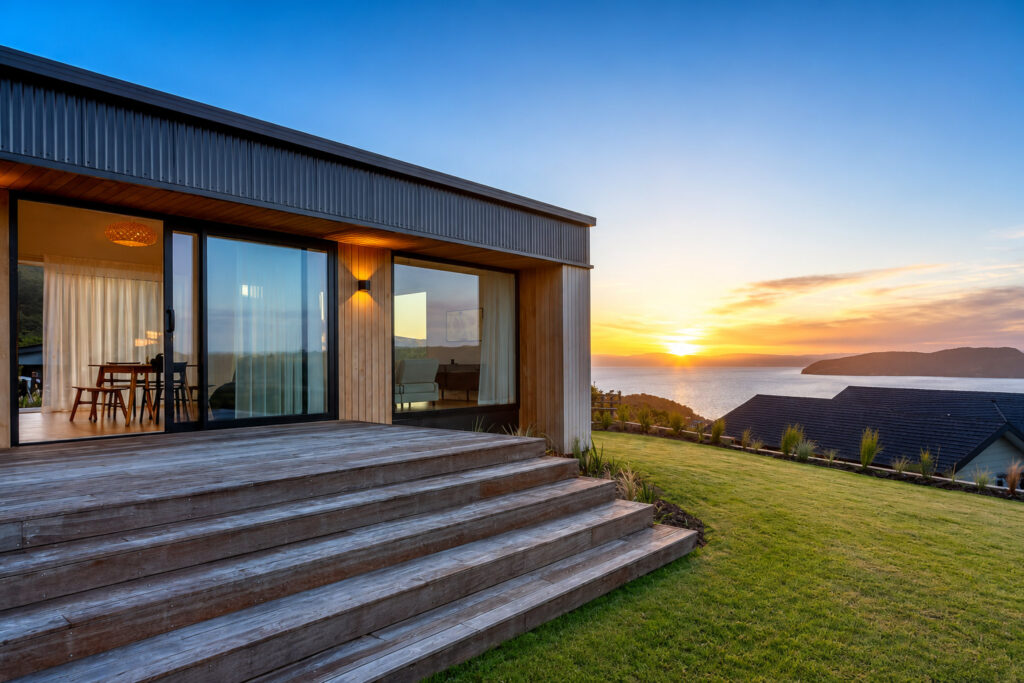
Building a home in Taupō’s elevated areas means designing for frosty winters, strong winds and big temperature swings. The answer is a well-insulated, airtight home with high performance windows, heat-recovery ventilation and careful orientation. HP Homes’ Alpine High Performance Home, at 600 metres above sea level, is so efficient its owners receive power credits instead of bills.
What makes elevated Central Plateau sites challenging?
- Cold winters and hard frosts. Heat loss through walls, floors, roofs and windows is much greater than in coastal areas.
- Wind exposure. Wind drives cold air through every gap in a leaky building.
- Snow and weather loading. Higher sites may need stronger structure and better protection for the building envelope.
- Views facing south. Many of the best Taupō views are toward the lake and mountains, often the opposite direction to the winter sun.
How we designed the Alpine High Performance Home
1. Site and climate study
We mapped prevailing wind, snow load and passive solar for this specific elevation before detailing began.
2. Structure built for the conditions
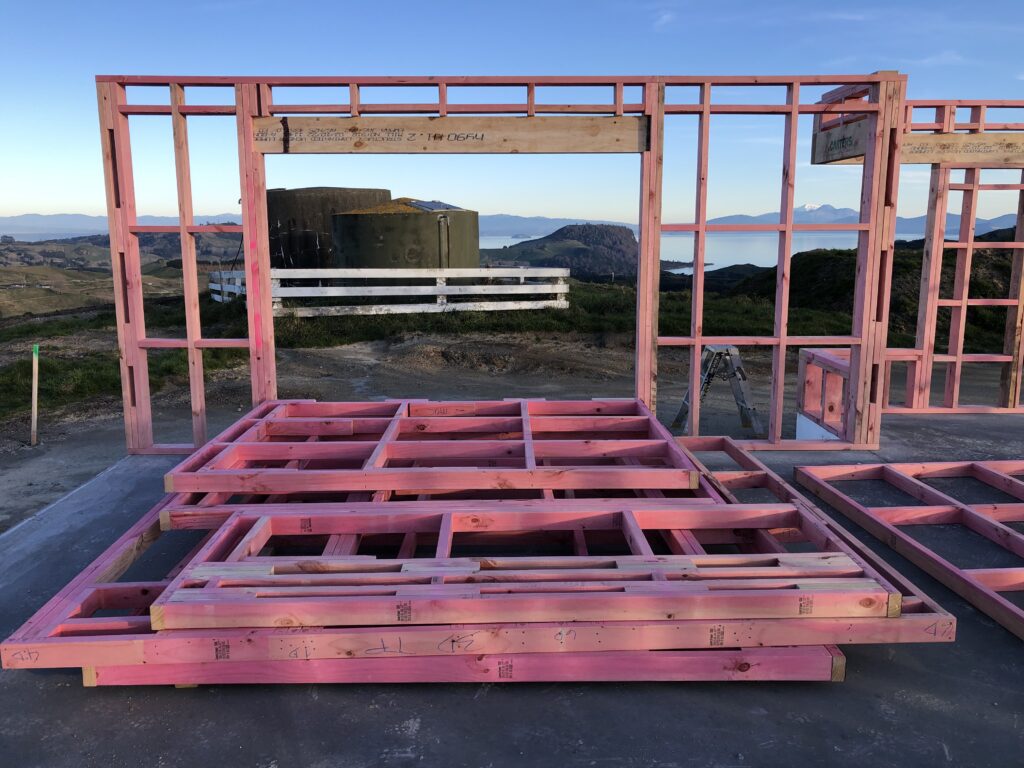
An alpine-rated frame and deep eaves protect the envelope through the harshest winter weeks.
3. Airtight construction, tested twice
Every penetration was detailed and taped, and the home was blower-door tested twice during construction, not just at handover.
4. Views without heat loss
The home faces mountain and lake views to the south. High performance joinery and a continuous insulated envelope keep those south-facing windows from becoming cold spots. See high performance windows in Taupō.
5. Energy and ventilation commissioned together
Solar PV, MHRV and performance monitoring were commissioned at handover so the family can see how the home performs in real time.
The result
The home stays warm in winter and cool in summer with a consistent indoor temperature year-round, and it generates power bill credits rather than ongoing costs. See the full Alpine project.
Tips if you’re building on an elevated site near Taupō
- Get an energy model (we use PHPP) before consent so insulation, glazing and heating are right-sized for your altitude.
- Prioritise airtightness and test it during construction.
- Insulate under the slab and at the slab edge. An insulated MAXRaft® foundation stops heat escaping into cold ground. See insulated slab foundations in Taupō.
- Use balanced heat-recovery ventilation to keep air fresh without losing heat.
- Design eaves and shading for both winter sun and summer overheating.
Frequently asked questions
Is it more expensive to build a high performance home at altitude?
The principles are the same; specifications such as insulation thickness and glazing may be higher. Energy modelling shows where extra spend pays back.
Can a home in a cold climate really have no power bill?
With a very efficient envelope plus solar PV, yes. The Alpine home earns credits. Results depend on design, orientation and how the home is used.
Building on an elevated or exposed site around Taupō? Talk to Mat about your site.