Can You Open the Windows in an Airtight Home?
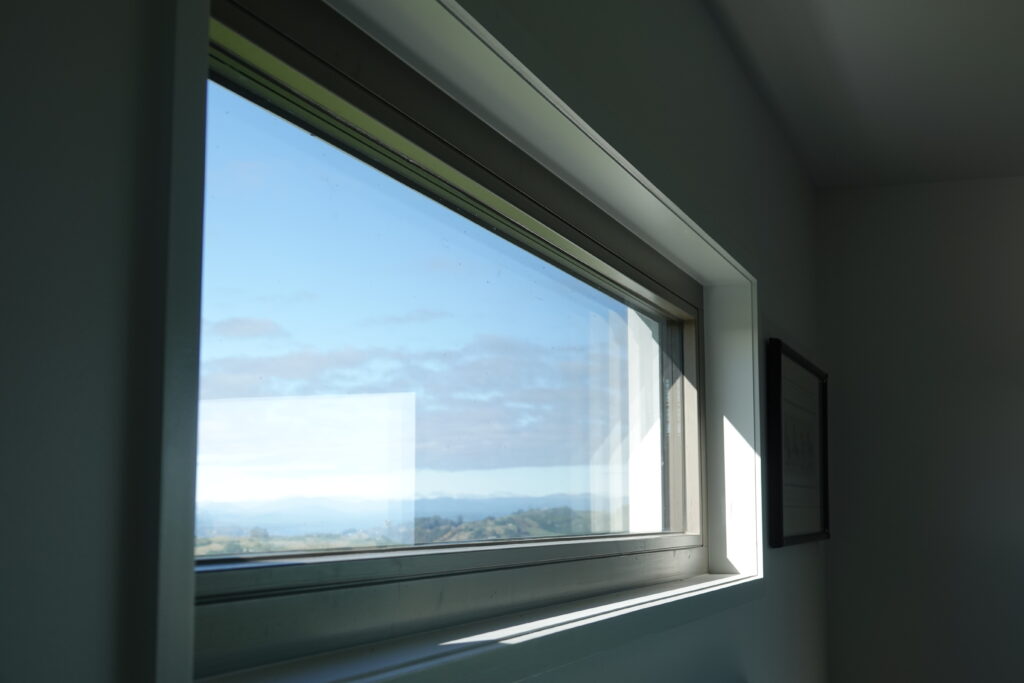
Yes. You can open the windows in an airtight or Passive House style home whenever you like. Airtightness is about stopping uncontrolled leaks through gaps in walls, floors and ceilings, not about sealing the windows shut. Heat-recovery ventilation supplies fresh, filtered air all day so you do not need to open windows for air quality, but on a warm day or a calm evening, opening them is completely normal.
It is one of the most common questions people ask when they first hear about airtight homes. The worry is understandable: “airtight” sounds like a sealed box. In practice, living in a high performance home feels the opposite, because the air inside is fresher than in most ordinary houses.
What airtight really means
An ordinary New Zealand house leaks air through hundreds of small gaps: around window frames, through power points and downlights, under skirting boards and at the joins between walls and ceilings. That leakage is uncontrolled. On a cold, windy Taupō night, warm air pours out and cold air is drawn in, along with dust and moisture inside the walls.
An airtight home closes those gaps with a continuous membrane and careful taping, then tests the result with a blower-door test. Fresh air still comes in. The difference is that it comes in through the ventilation system, where it is filtered and warmed, rather than through cracks. Read more in what airtightness in a house means.
Why you do not have to open the windows
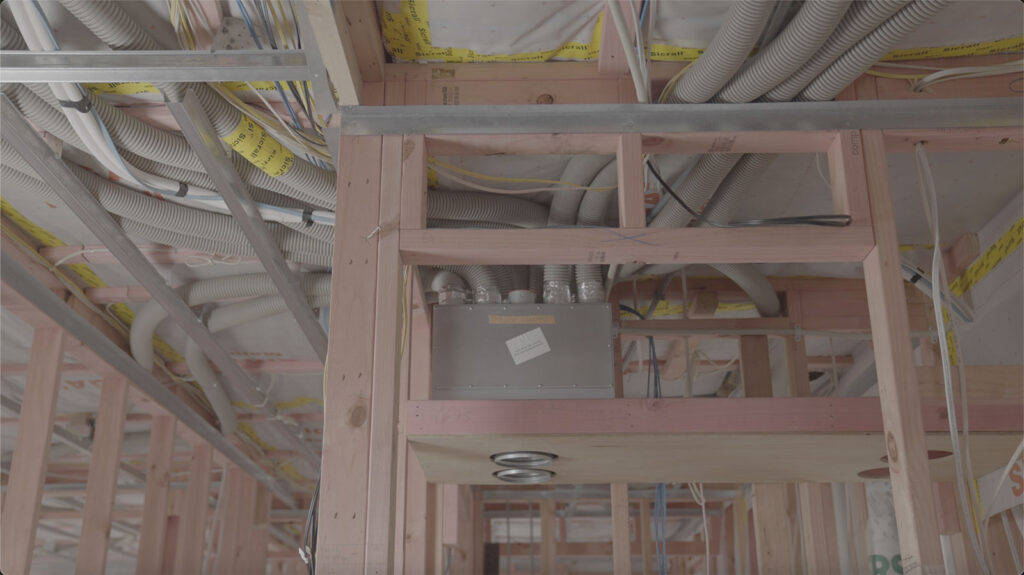
A heat-recovery ventilation system (MHRV) runs quietly all the time. It removes stale, moist air from kitchens, bathrooms and laundries, and supplies filtered fresh air to bedrooms and living areas. On the way, a heat exchanger passes warmth from the outgoing air to the incoming air, so in winter you get fresh air without losing the heat you have paid for. The systems we use filter up to 95% of pollen, which many allergy sufferers notice straight away.
That means you are not forced to open windows in winter to clear condensation or stuffy air, which is exactly what makes ordinary houses so cold. See why fresh air matters in a high performance home.
When opening the windows makes sense
- Warm summer days and evenings. Opening windows on opposite sides of the house for a cross-breeze is a great way to cool down, especially in the evening when the outside air drops below the inside temperature.
- Cooking a big meal or painting. A quick purge of air is fine.
- Simply because you want to. Hearing the birds or the lake is part of living in Taupō.
When it is better to keep them closed
- Cold winter days. An open window lets heat escape and makes the ventilation system work harder. The air inside is already fresh.
- Hot, still afternoons. Keeping windows and blinds closed during the hottest part of the day, then opening up in the evening, keeps the house cooler.
- Pollen season or smoky days. The MHRV filter is doing a better job than an open window.
Does opening a window damage the airtightness?
No. Airtightness is built into the envelope: the membranes, tapes and seals in the walls, floor and roof. Opening a window does not change any of that. When you close it again, the home is exactly as airtight as before. Good windows, like the Starke uPVC joinery we use, also seal tightly when closed, which is a big part of why they perform so well.
Should the ventilation be turned off when windows are open?
In most cases you can leave it running. Many MHRV units have a summer bypass setting that skips the heat exchanger when you want cooler air. If you plan to have windows open for long periods in summer, a lower fan setting is usually fine. We walk every owner through their system at handover so they know how it works through the seasons.
A note on overheating
Because high performance homes hold their heat so well, good design also has to manage summer heat. That means eaves and shading sized to block the high summer sun, sensible amounts of west-facing glass and windows that can open for cross-ventilation. Opening windows is part of the plan, not a failure of it. See our five high performance principles.
Frequently asked questions
Do airtight homes feel stuffy?
No. With heat-recovery ventilation running, the air is usually fresher than in a leaky house, with lower humidity and less dust and pollen.
Can I sleep with the bedroom window open?
Yes, if you like to. In winter you will lose some heat, but nothing about the house is harmed. Many owners find they do not need to because the bedrooms already get fresh air.
Will opening windows cause condensation?
No. Condensation comes from moist air meeting cold surfaces. High performance windows have warm inner surfaces, and the ventilation removes moisture, so condensation is rarely a problem.
Are Passive House windows fixed shut?
No. Most Passive House and high performance homes use opening windows. Tilt-and-turn windows are common because they seal tightly and can be tilted for a secure gap of fresh air.
What happens if the power goes off?
The ventilation stops until power returns, so just open a window if you want extra fresh air. The house will still hold its temperature for a long time because of the insulation and airtightness.
Have more questions about living in an airtight home? Talk to Mat, or read about our five high performance principles.
Planning to build?
Talk to Mat about your Taupō build
Book a consult to talk through your section, design ideas and budget, and how a high performance home could work for you.
Book a consultOr call Mat on 021 285 1445