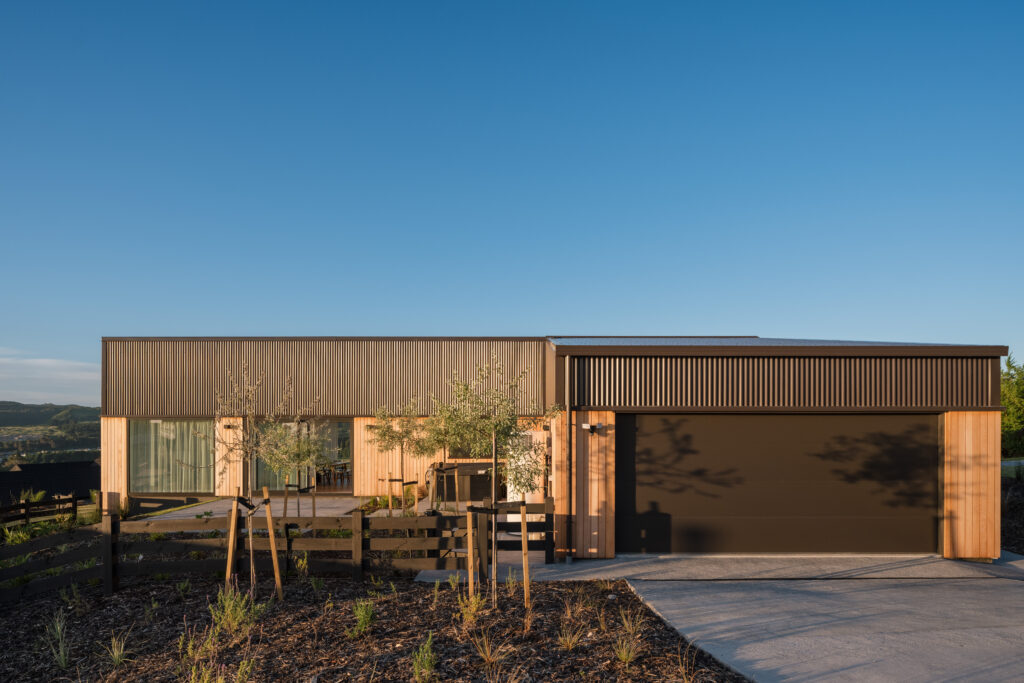
Do High Performance Homes Have to Look Modern?
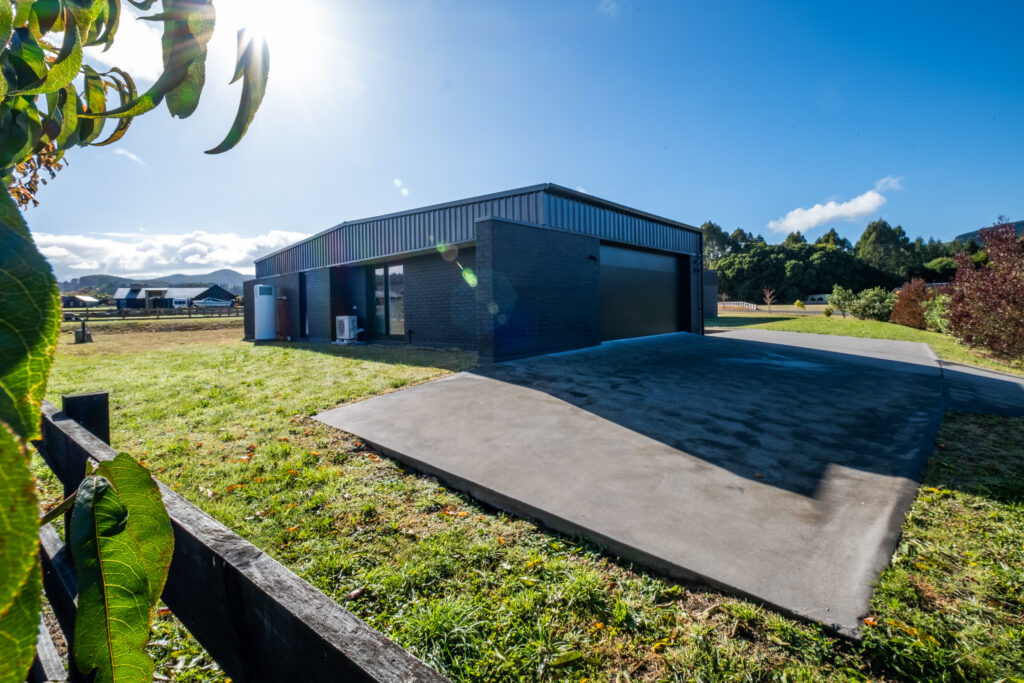
No. A high performance home can look like a classic gabled farmhouse, a cedar-clad lake house, a character villa-style home or a crisp modern pavilion. Performance comes from things you mostly cannot see: insulation, airtightness, high-performance windows, heat-recovery ventilation and good orientation. The style of the roof, cladding and interior is largely up to you, as long as the design is worked through with performance in mind from the start.
Many people picture Passive House style homes as white boxes with small windows. Some are. Plenty are not. Around Taupō and Kinloch we build homes that sit comfortably in rural, lakeside and suburban settings, and the performance comes from how they are designed and built, not from how they look.
What actually makes a home perform
At HP Homes every design follows five principles: considered design, high insulation, an airtight enclosure, high-performance joinery and ventilation with heat recovery. None of these dictates an architectural style. A pitched roof can be insulated just as well as a flat one. Weatherboards, board-and-batten, brick or cedar can all go on the outside of a well-insulated, airtight wall.
Where style and performance do interact
Some design choices do affect performance, and it helps to know them early:
- Shape. A simple, compact shape has less outside surface for its floor area, so it loses less heat. Lots of wings, bump-outs and corners add surface and junctions. They are not forbidden, they just need more insulation and care.
- Windows. Big glass to the north is a bonus in winter. Big glass to the south and west needs better joinery and shading. The style of the window matters less than its size, position and quality.
- Eaves and shading. Deep eaves suit both classic NZ homes and modern designs, and they help stop summer overheating.
- Dormers, skylights and complex roofs. These are possible but add difficult airtightness and insulation details, so we plan them carefully.
Examples from our own work
Our Jetty House in Kinloch, designed by First Light Studio, uses stepped floor levels and generous glazing on a steep lake site. The Broadlands Home is a family home on a rural Central Plateau site where the priority was everyday comfort, warmth and quiet. The Alpine High Performance Home was shaped around a south-facing mountain and lake view and an exposed 600 m site. Three very different homes, all built on the same principles.
Classic styles that work well
The gabled farmhouse
Simple, compact and familiar. A gabled form with a large roof is easy to insulate deeply, and verandas or eaves give natural shading.
The lake house or bach
Timber cladding, low-pitched roofs and big views. The key is careful window sizing and good joinery so the view does not cost you comfort.
The character-style home
Villa and bungalow styles can be recreated with a modern, high performance envelope underneath. Mat has decades of experience with character renovations and restorations, so he understands the details that make these homes look right.
The modern pavilion
Clean lines and large glazing are popular for good reason. They need the most care with shading, glass selection and thermal bridging.
Interiors are completely your choice
Inside, a high performance home can be finished however you like: timber, plaster, tiles, exposed beams or a warm natural palette. The only differences you will notice are deeper window reveals from thicker walls, a few discreet ventilation grilles, and the absence of heaters on every wall.
Working with your architect or designer
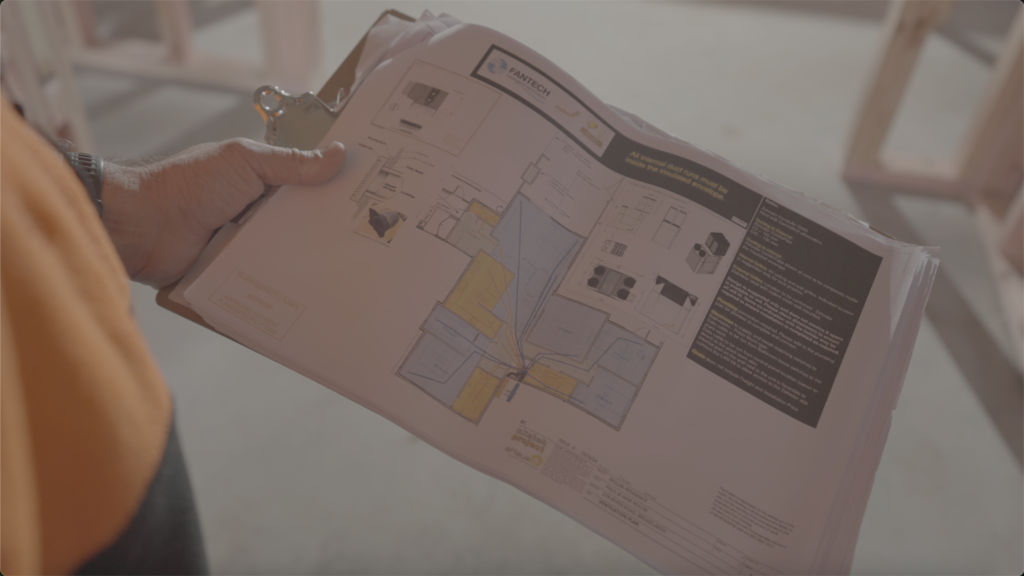
We regularly collaborate with architects and designers. If you already have a designer, we bring the building science to the table early so their design keeps its character while hitting the performance targets. If you do not, we can recommend designers who understand high performance homes. Getting the team together at concept stage is the most important step. See our concept design and energy modelling service.
Frequently asked questions
Can a high performance home have big windows?
Yes. The size, orientation and quality of the windows need to be designed together. High-performance joinery and good shading make large windows work.
Can I have a traditional weatherboard exterior?
Yes. Cladding is largely a style choice. What matters is the insulation, airtight layer and detailing behind it.
Do all Passive Houses look the same?
No. Certified Passive Houses around the world range from apartment blocks to rural cottages. The standard sets performance targets, not a look.
Does a complicated design cost more to make high performance?
Usually, yes. More corners, levels and roof shapes mean more junctions to insulate and seal. A simpler form puts more of your budget into comfort.
Can you renovate a character home to perform better?
Often, yes. See renovations and restorations.
Have a style in mind? Talk to Mat about how to make it perform. See our projects for inspiration.
Planning to build?
Talk to Mat about your Taupō build
Book a consult to talk through your section, design ideas and budget, and how a high performance home could work for you.
Book a consultOr call Mat on 021 285 1445