

What Makes a High Performance Home Different From a Standard Home?
- mat99962
- 3 days ago
- 5 min read
When planning a new home, many people focus on the layout, finishes, and appearance. While these factors are important, what truly determines how comfortable, healthy, and efficient a home will be is how it performs every day. This is where High Performance Homes stand apart from standard homes.
A High Performance Home is designed and constructed to provide superior comfort, healthier indoor air quality, lower energy consumption, and long-term durability. Rather than simply meeting minimum Building Code requirements, these homes are carefully designed as complete systems, where insulation, airtightness, ventilation, windows, orientation, and construction detailing work together to create an exceptional living environment.
As energy costs continue to rise and homeowners become more aware of sustainability, High-Performance Homes are becoming increasingly popular throughout New Zealand. Whether you're building your forever home or investing in property, understanding the difference between a High Performance Home and a standard home can help you make better decisions for the future.
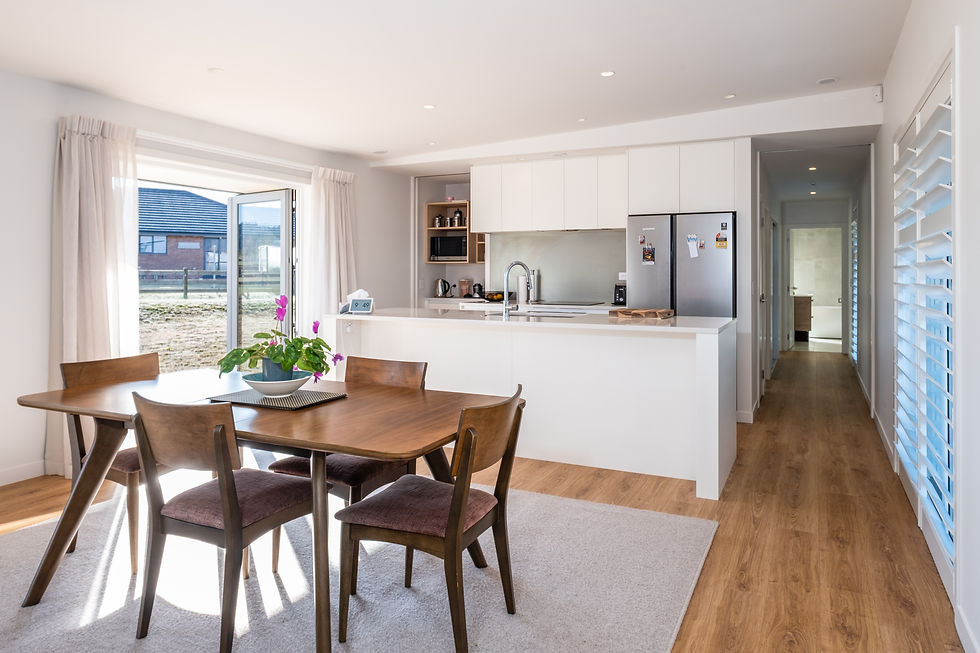
What Is a High Performance Home?
A High Performance Home is a home designed to maintain comfortable indoor temperatures year-round while using minimal energy. These homes focus on reducing heat loss in winter, preventing overheating in summer, improving indoor air quality, and minimising operating costs.
Unlike standard homes that are often built to meet only the minimum requirements of the New Zealand Building Code, High-Performance Homes aim to significantly exceed these minimum standards.
Useful resources:
The concept is based on building science and proven construction principles that have been successfully used around the world for decades.
Standard Homes Meet the Minimum
One of the biggest misconceptions in residential construction is that compliance with the Building Code automatically results in a high-performing home.
The New Zealand Building Code establishes minimum standards for health, safety, and durability. While these standards are essential, they are not necessarily designed to optimise comfort or energy efficiency.
Learn more about Building Code requirements:
A standard home may meet all legal requirements while still experiencing:
Cold rooms during winter
Excessive heat gain in summer
Condensation on windows
Drafts and air leakage
High power bills
Poor indoor air quality
High-Performance Homes address these issues through a holistic design approach.
Superior Insulation
One of the most noticeable differences between High-Performance Homes and standard homes is insulation.
Insulation slows the transfer of heat through walls, roofs, and floors. While standard homes typically meet minimum insulation requirements, High-Performance Homes often exceed these levels significantly.
Additional insulation helps maintain stable indoor temperatures throughout the year.
Further reading:
Benefits include:
Reduced heating and cooling costs
Improved thermal comfort
Better temperature consistency
Reduced environmental impact
Proper insulation also contributes to improved durability by reducing condensation risks within building assemblies.
Airtight Construction
Many people assume homes need to "breathe" through gaps and cracks. In reality, uncontrolled air leakage is one of the largest contributors to poor building performance.
Airtight construction focuses on reducing unwanted air movement through the building envelope.
In a standard home, air can leak through:
Window junctions
Wall penetrations
Roof spaces
Floor connections
Service penetrations
A High-Performance Home uses careful detailing and construction techniques to create a more airtight envelope.
Learn more:
Benefits include:
Reduced heat loss
Better energy efficiency
Increased comfort
Improved moisture control
Enhanced acoustic performance
Mechanical Ventilation Systems
Airtight homes require controlled ventilation.
Rather than relying on random air leakage, High-Performance Homes use mechanical ventilation systems to provide fresh filtered air continuously.
Many systems incorporate Heat Recovery Ventilation (HRV) technology, which transfers heat from outgoing air to incoming fresh air.
Information about ventilation and indoor air quality:
Advantages include:
Fresh air year-round
Reduced indoor pollutants
Lower humidity levels
Reduced condensation
Improved occupant health
This creates a healthier indoor environment while maintaining energy efficiency.
High-Performance Windows
Windows play a major role in home performance.
Standard homes often use conventional double glazing, whereas High-Performance Homes typically incorporate advanced glazing systems designed to minimise heat transfer.
These may include:
Thermally broken frames
Low-E glass coatings
Argon gas fills
Triple glazing in some situations
Learn more about window performance:
High-performance windows contribute to:
Reduced heat loss
Improved comfort near windows
Lower energy consumption
Reduced condensation
They also help maintain consistent temperatures throughout the home.
Better Home Orientation and Design
High-Performance Homes begin long before construction starts.
Site analysis, building orientation, and passive solar design principles are critical components of performance-focused design.
In New Zealand, north-facing living areas can maximise winter solar gains while carefully designed shading systems help reduce overheating during summer.
Useful reading:
Good design decisions can dramatically improve comfort without increasing operational costs.
Healthier Indoor Environments
The quality of indoor air has a direct impact on health and wellbeing.
Research has shown that cold, damp homes can contribute to respiratory illnesses, mould growth, and poor health outcomes.
Resources:
High-Performance Homes help create healthier environments through:
Better insulation
Improved ventilation
Reduced condensation
Controlled humidity
Better thermal comfort
For families, children, and older occupants, these benefits can significantly improve everyday living conditions.
Lower Energy Consumption
One of the primary goals of a High-Performance Home is reducing energy demand.
Because these homes lose less heat and gain less unwanted heat, they require less heating and cooling throughout the year.
Information about residential energy efficiency:
This translates into:
Lower power bills
Reduced carbon emissions
Greater resilience to energy price increases
Long-term cost savings
While upfront construction costs may be slightly higher, operational savings continue for decades.
Long-Term Durability
Durability is often overlooked when comparing homes.
Moisture is one of the greatest threats to building longevity. Poorly performing homes can experience condensation issues that lead to mould, decay, and maintenance problems.
High-Performance Homes manage moisture more effectively through:
Airtight construction
Controlled ventilation
Thermal bridge reduction
Better detailing
Learn more:
The result is a building that remains healthier, more comfortable, and more durable over its lifetime.
Sustainability and Environmental Responsibility
Sustainability is becoming increasingly important for homeowners and the construction industry.
By reducing energy consumption and improving building efficiency, High Performance Homes help reduce environmental impact.
Further resources:
Sustainable design can include:
Energy-efficient building envelopes
Reduced heating and cooling demand
Durable materials
Water-saving systems
Low-carbon construction methods
These measures contribute to more environmentally responsible housing throughout New Zealand.

Why More New Zealanders Are Choosing High-Performance Homes
Homeowners are increasingly looking beyond appearance and focusing on how their homes actually perform.
They want:
Consistent temperatures
Lower energy costs
Better indoor air quality
Improved health outcomes
Greater comfort
Long-term value
As building science continues to advance and awareness grows, High-Performance Homes are becoming the preferred choice for people who want more from their investment.
Final Thoughts
The difference between a standard home and a High Performance Home goes far beyond insulation or energy efficiency alone. It is about creating a home that works as a complete system to deliver comfort, health, durability, and sustainability.
While standard homes are designed to meet minimum requirements, High-Performance Homes are designed to exceed expectations.
Through improved insulation, airtight construction, mechanical ventilation, high-performance windows, intelligent design, and energy-efficient systems, these homes provide a superior living environment that benefits occupants for decades to come.
For homeowners planning a new build, investing in a High Performance Home is an investment in comfort, wellbeing, lower operating costs, and long-term value.


Comments